
 0086-13338774804
Wuxi Junteng Fanghu Alloy Technology Co., Ltd.의 FH® 열처리 트레이 — 산업용 용광로용 맞춤형 열처리 트레이 전문 제조업체


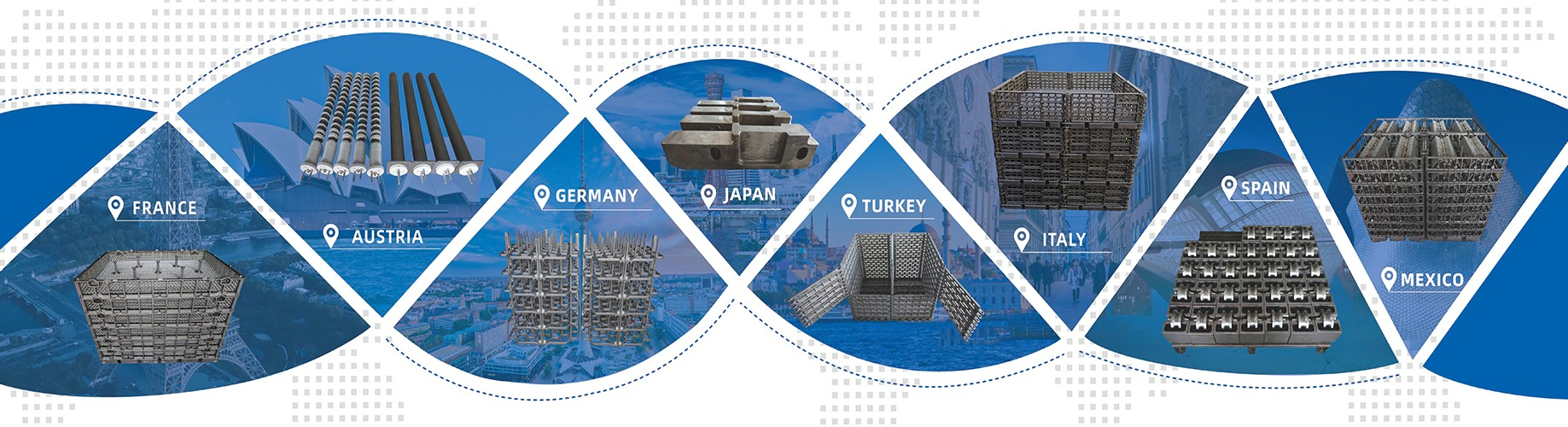
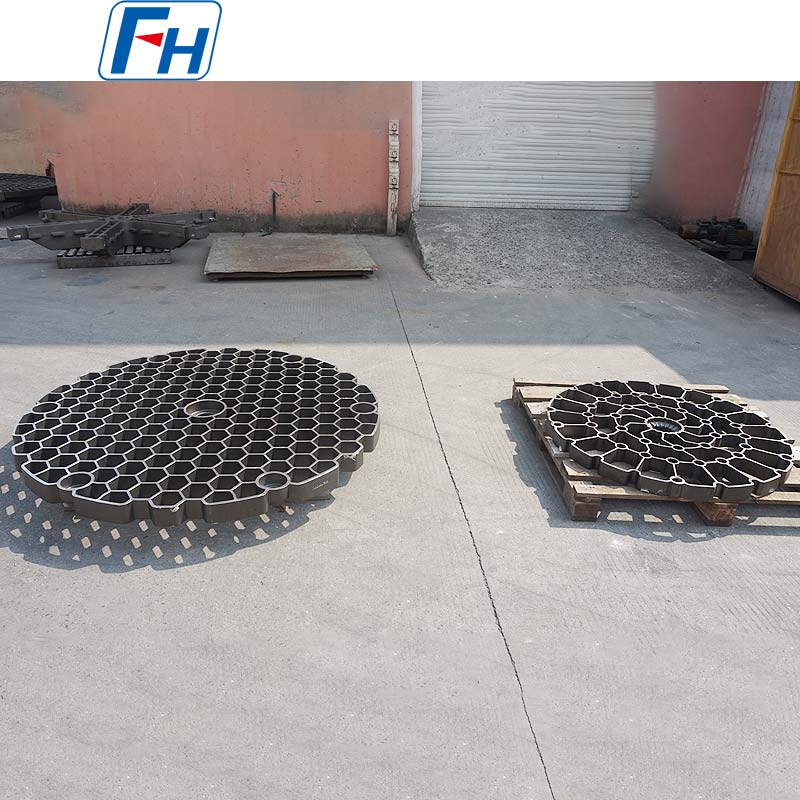
브랜드: FH® 인증: ISO9001, ISO14001 ...
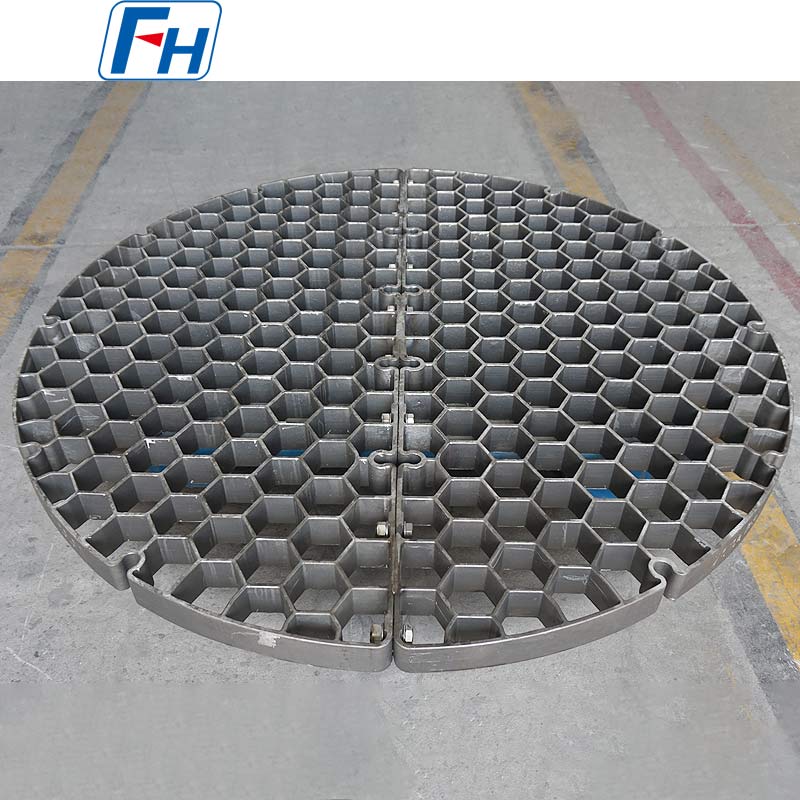
브랜드: FH® 인증: ISO9001, ISO14001 ...
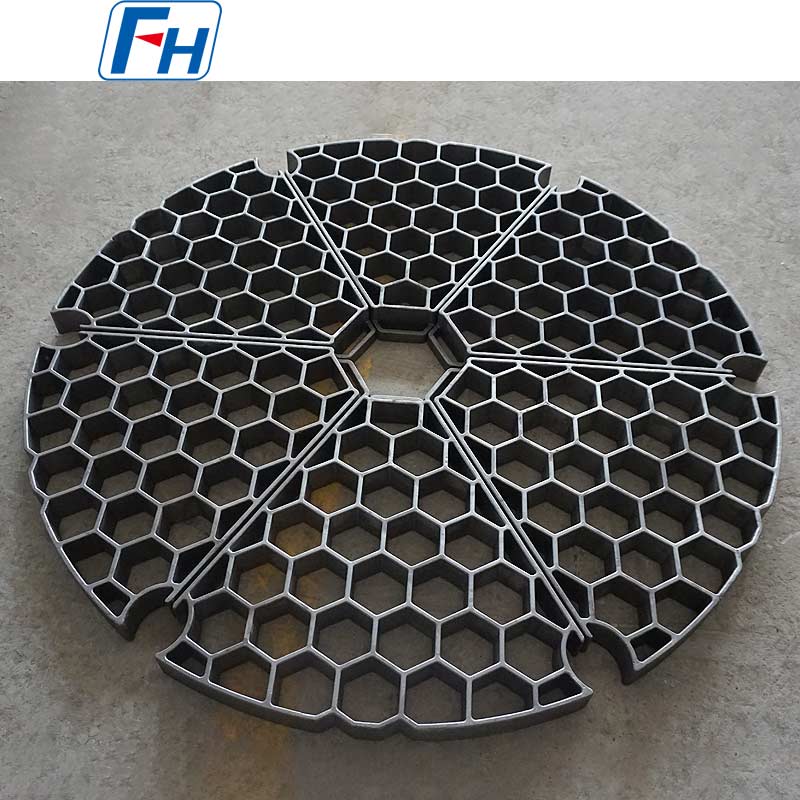
브랜드: FH® 인증: ISO9001, ISO14001 ...
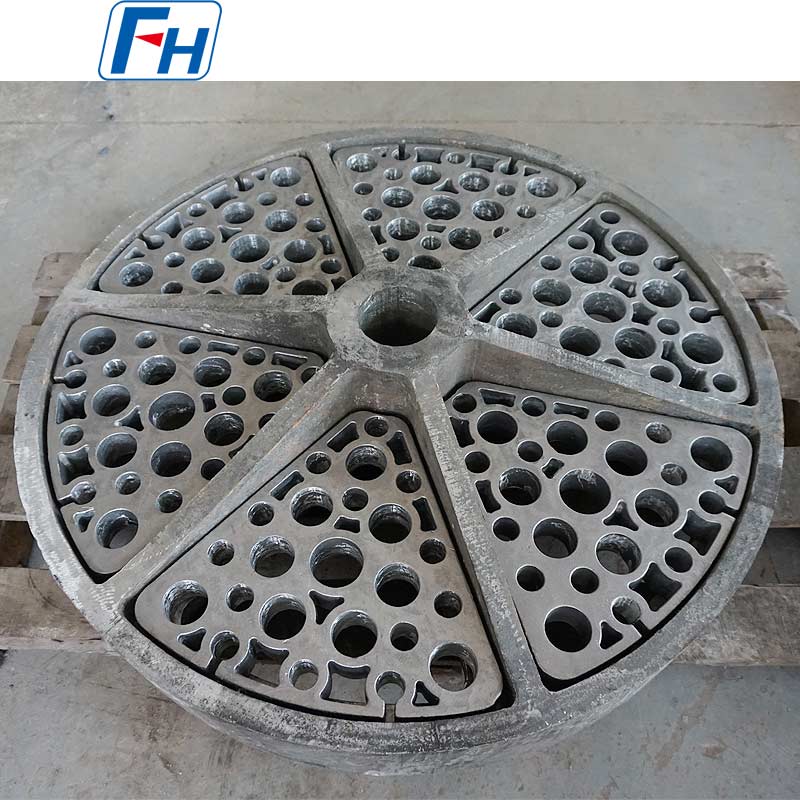
브랜드: FH® 인증: ISO9001, ISO14001 ...
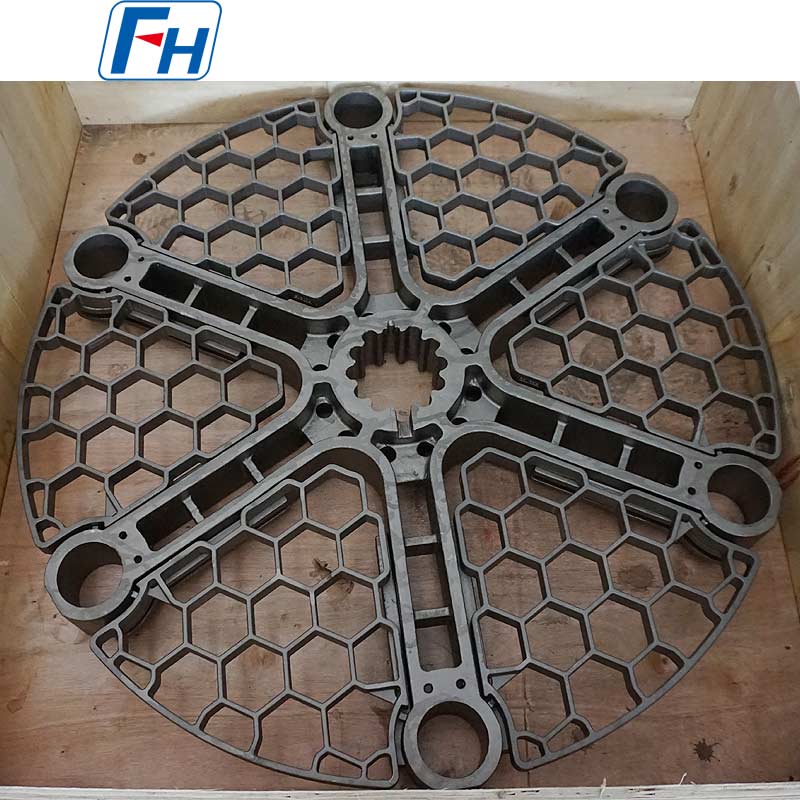
브랜드: FH® 인증: ISO9001, ISO14001 ...
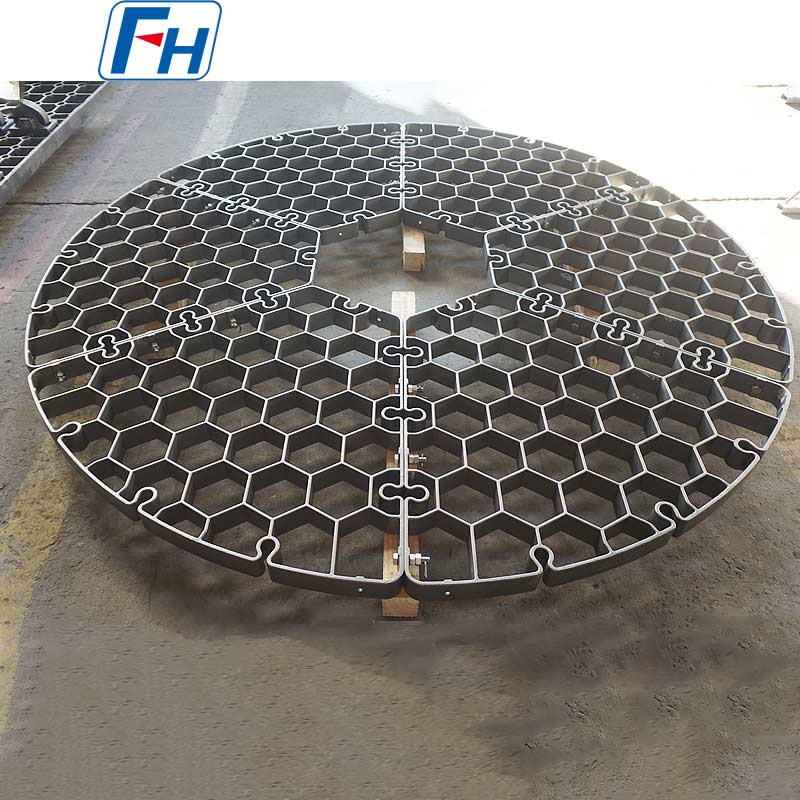
브랜드: FH® 인증: ISO9001, ISO14001 ...
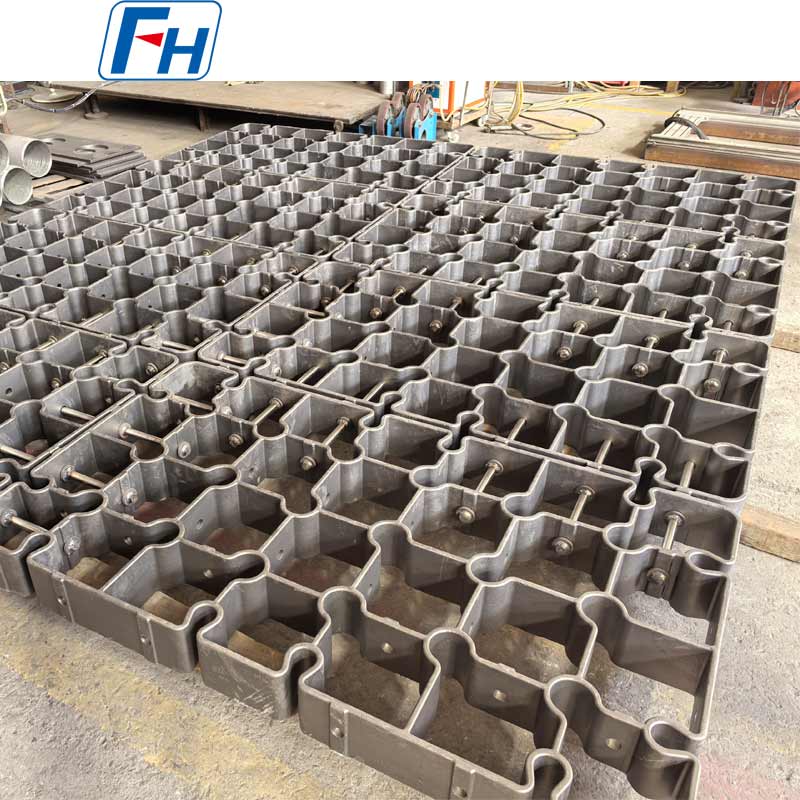
브랜드: FH® 인증: ISO9001, ISO14001 재료: ...
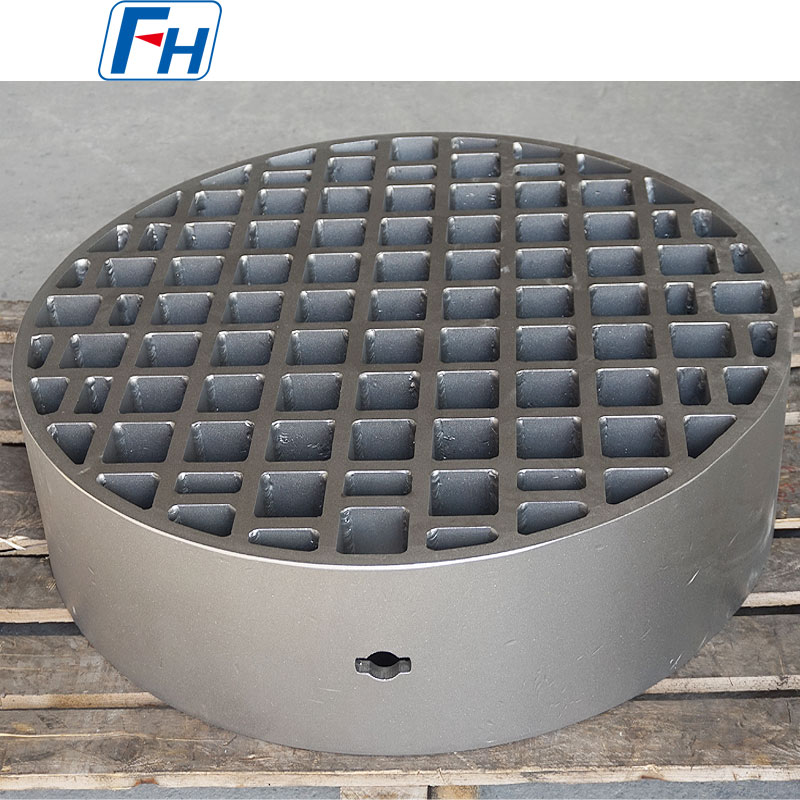
브랜드: FH® 인증: ISO9001, ISO14001 재료: ...
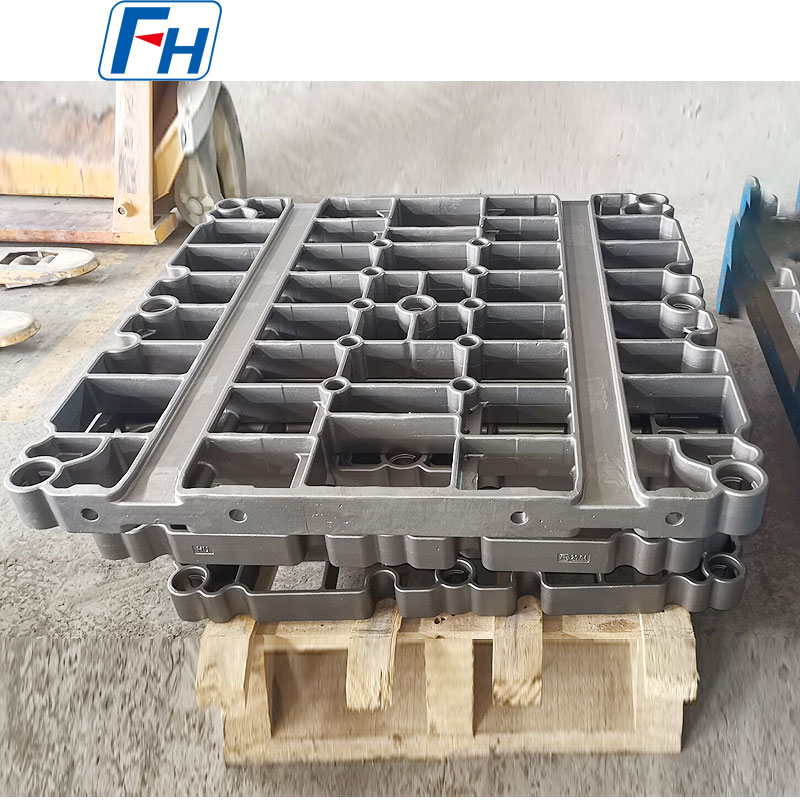
브랜드: FH® 인증: ISO9001, ISO14001 재료: 내열강 ...
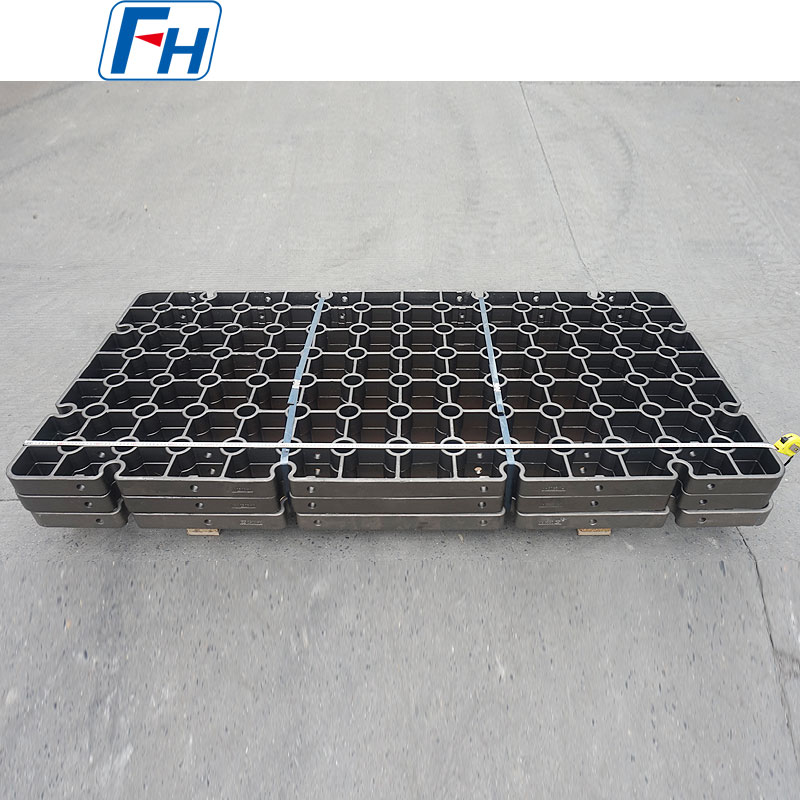
브랜드: FH® 인증: ISO9001, ISO14001 재료: ...
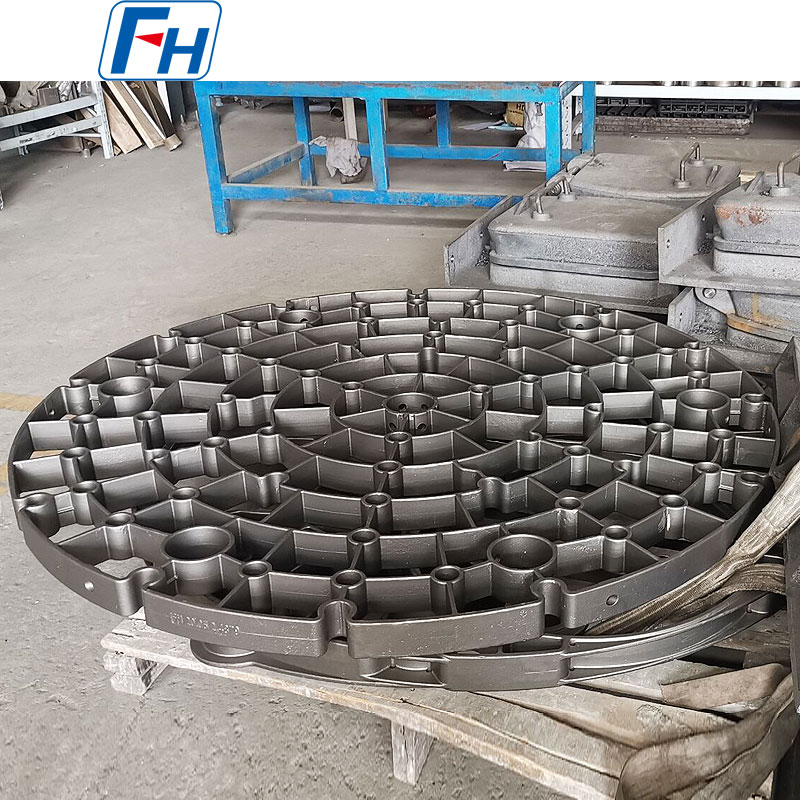
브랜드: FH® 인증: ISO9001, ISO14001 재료: 내열강 ...
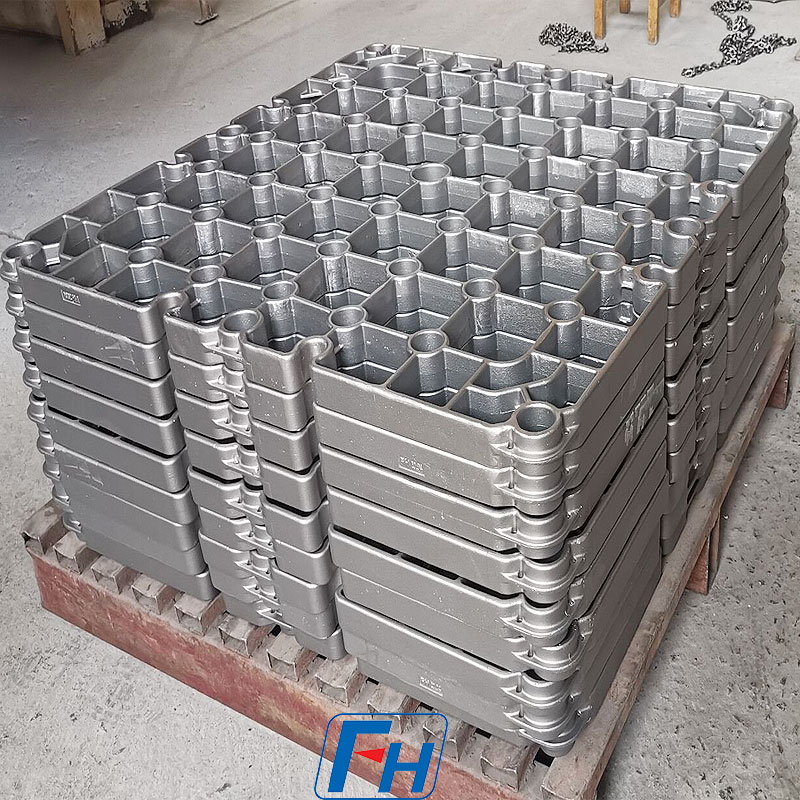
브랜드: FH® 인증: ISO9001, ISO14001 재료: 내열강 ...
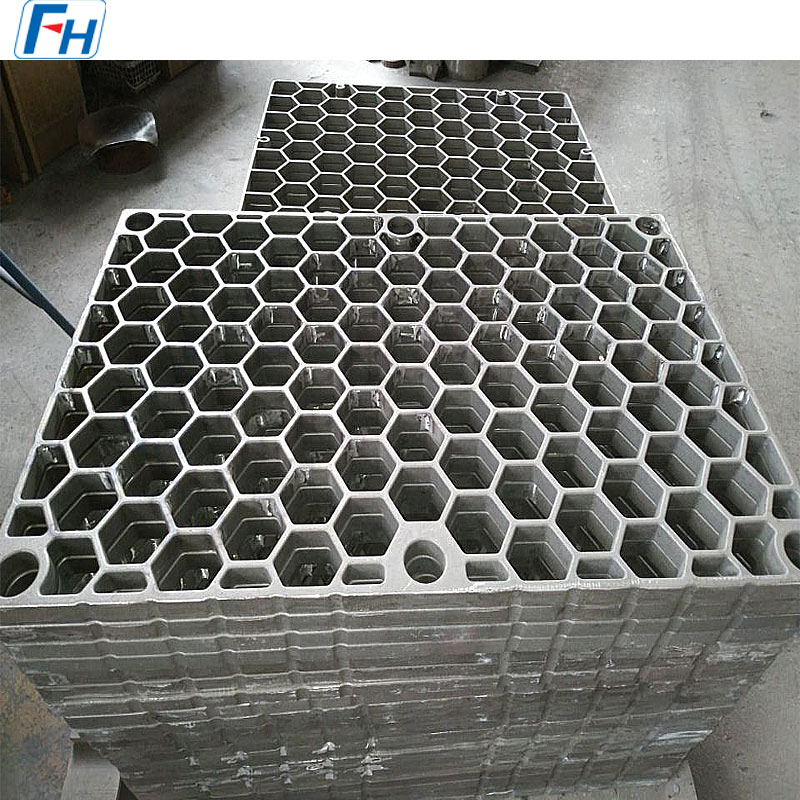
브랜드: FH® 인증: ISO9001, ISO14001 재료: 내열강 ...
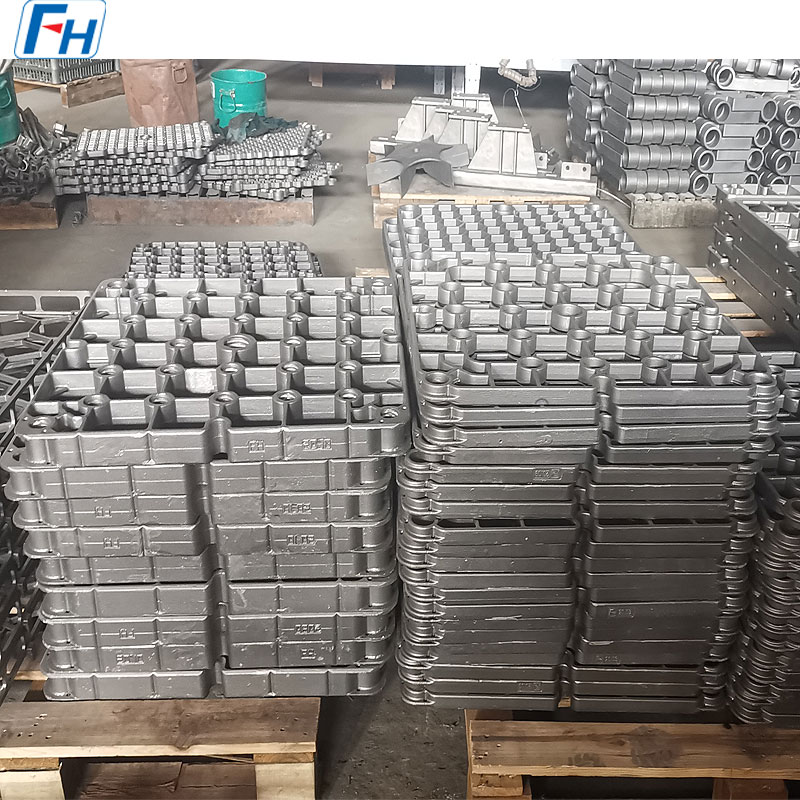
브랜드: FH® 인증: ISO9001, ISO14001 재료: 내열강 ...
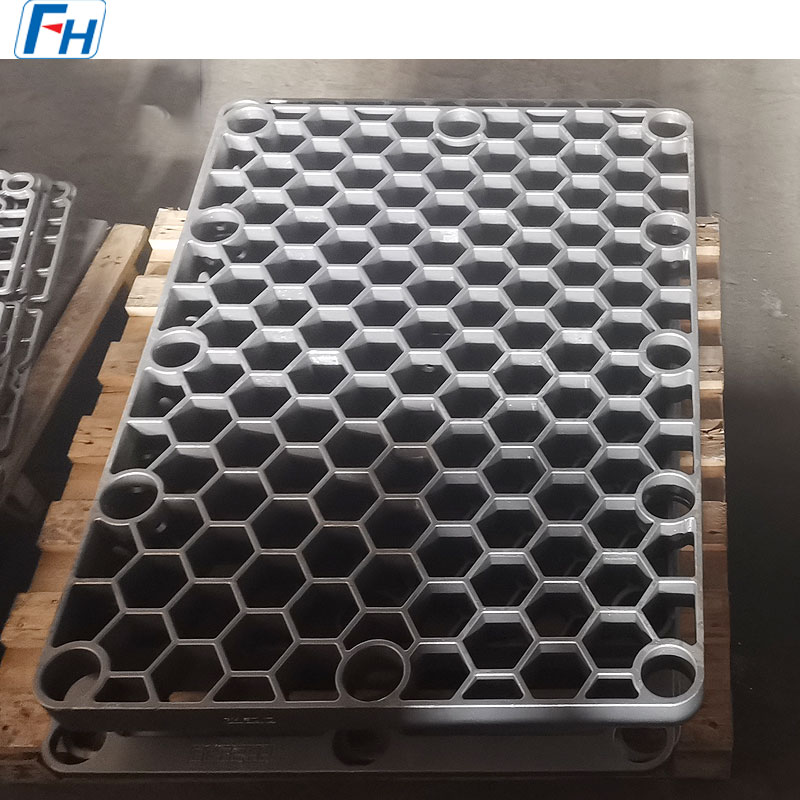
브랜드: FH® 인증: ISO9001, ISO14001 재료: 내열강 ...


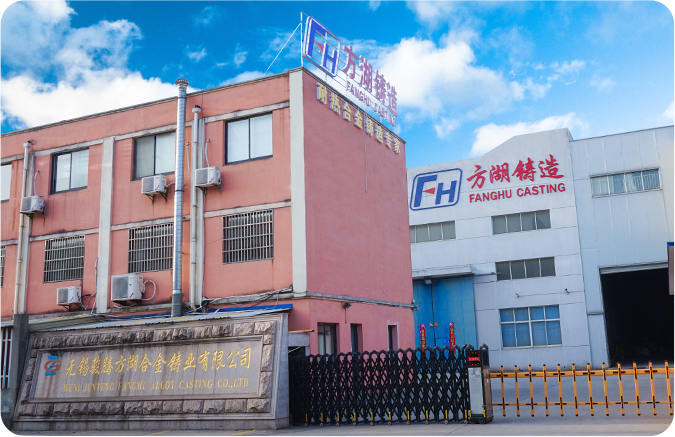
설립 연도
수출 국가
월 생산 능력
직원 수
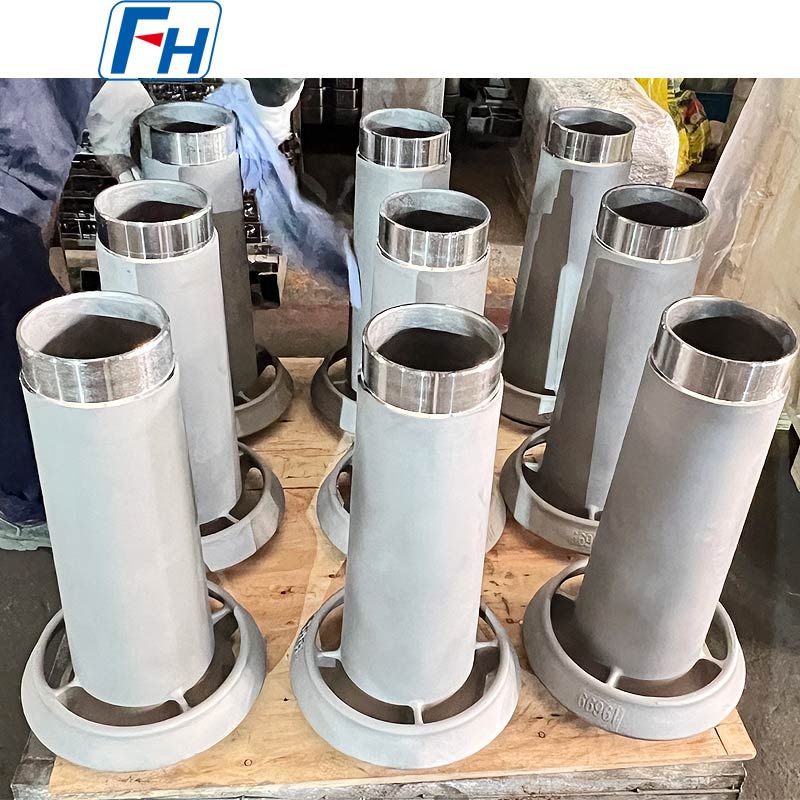
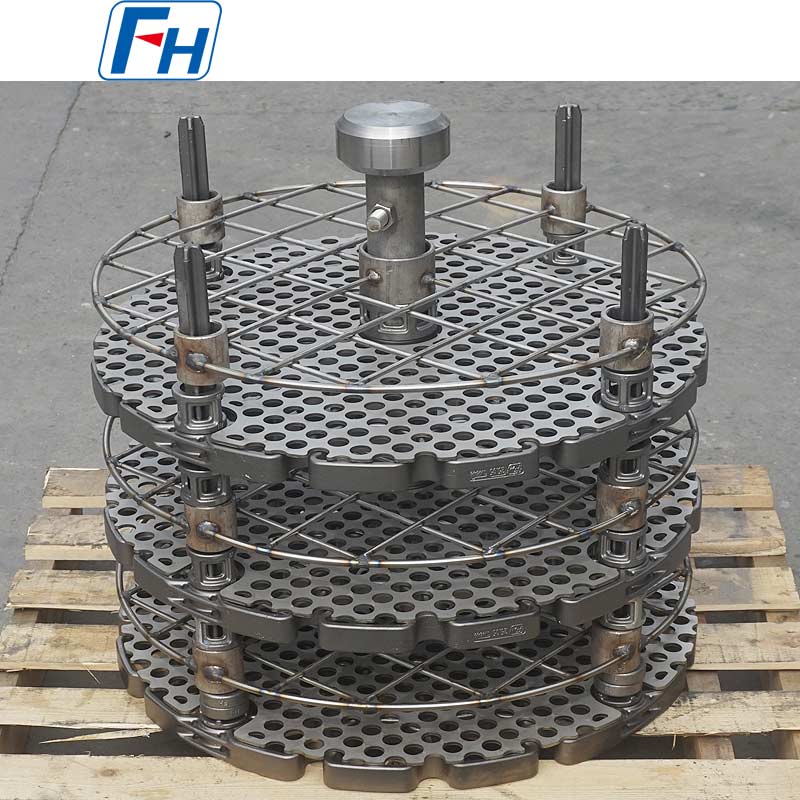
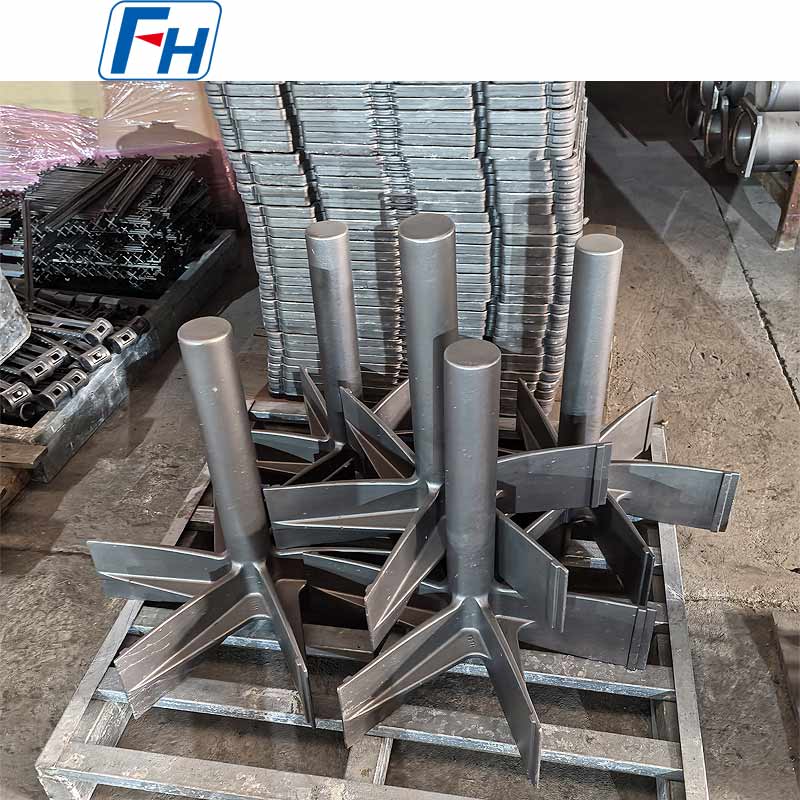
브랜드: FH® 인증: ISO9001, ISO14001 재료: 내열강 ...
자세히 보기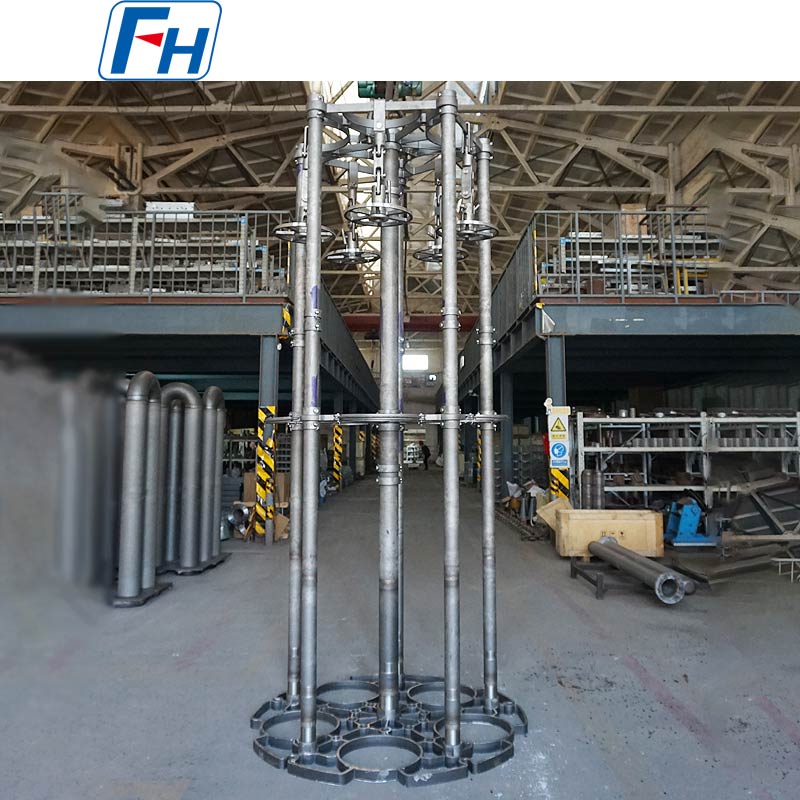
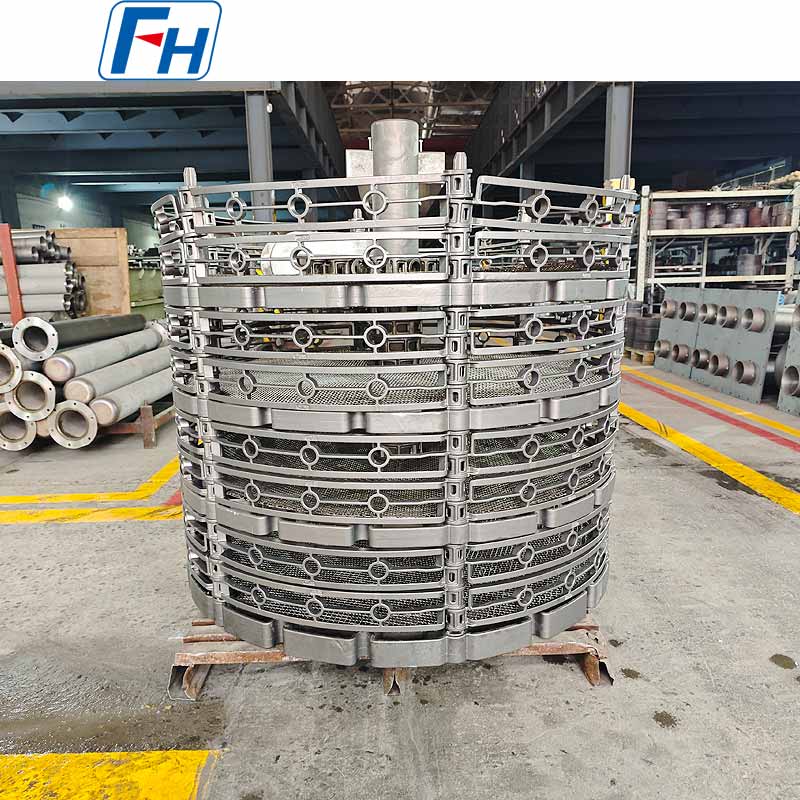
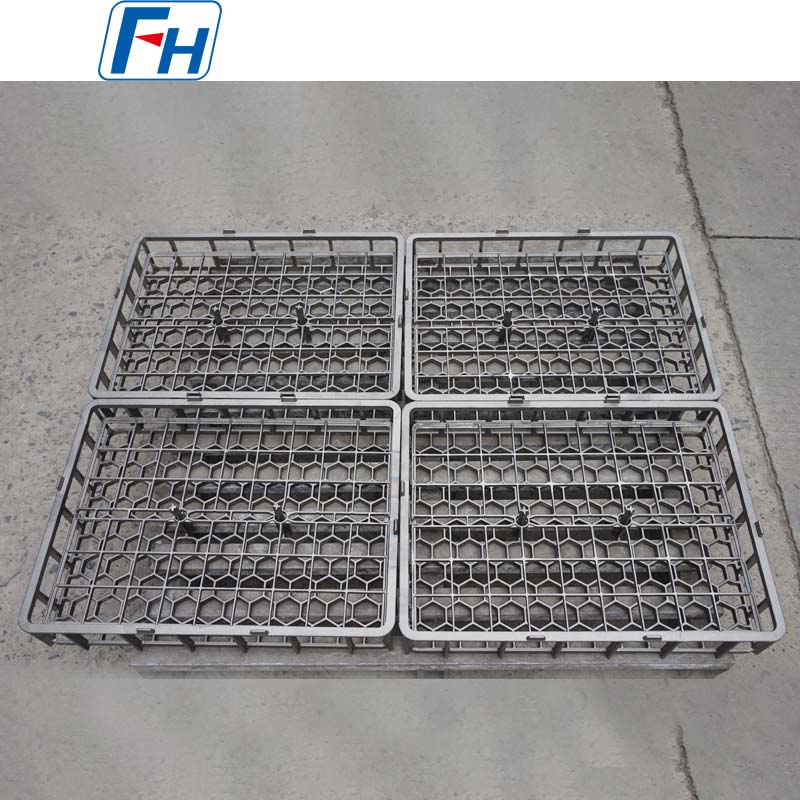
이탈리아 고객을 위한 그리드 트레이와 철망이 포함된 맞춤형 주조 열처리 바구니 고객 사례 연구 | Wuxi Junteng Fanghu Alloy Technology Co., Ltd. (FH® 합금) 프로젝트 개요 이탈리아 고객이 FH® Alloy for 8을 추가 주문했습니다. 열처리 바구니 , 열처리용 그리드 트레이 16개 및 철망 인서트 16개와 함께. 고객은 바스켓 프레임, 그에 맞는 내부 그리드 트레이, 철망 구성 ...
더 읽기연속 푸셔 퍼니스 기어 열처리를 위한 맞춤형 트레이 고정 시스템 고객 사례 연구 | 엔지니어링 설계, 도면 승인, 제조 및 배송 제품: 맞춤형 열처리 트레이 고정 시스템 로 유형: 연속 푸셔로 신청: 기어의 화학적-열처리 용광로 분위기: 엔도 가스 최대 온도: 950°C 담금질 매체: 오일, 80~160°C ...
더 읽기슬로베니아 고객을 위한 맞춤형 2.4879 진공로 열처리 트레이 고객 사례 연구 | 구조적 재설계, 제조 및 납품 고객 위치: 슬로베니아 제품: 맞춤형 진공로 열처리 트레이 재료: 2.4879 내열합금 최대 온도: 1060°C 냉각 방법: 3바 질소 가스 냉각 필요한 부하 용량: 트레이당 250kg 수량: ...
더 읽기What are Heat Treatment Trays | FH®?
1. Core Definition: Heat Treatment Trays | FH® are key components used to load, support, and secure workpieces within various industrial furnaces, ensuring dimensional and dimensional stability in high temperatures, rapid thermal cycles, and corrosive environments.
2. Main Functions:
Uniform Heat Transfer: Provides uniform heat distribution, ensuring repeatability and quality of the heat treatment process.
Load Support: Increases single-load capacity, reducing heat treatment costs per workpiece.
Protective Function: Prevents workpieces from direct contact with furnace walls or heating elements, reducing deformation and surface defects.
3. Compatible Furnace Types: Compatible with a variety of furnace types, including box furnaces, pusher furnaces, vacuum furnaces, pit furnaces, and bell furnaces.
Common brands include Ipsen, Aichelin, ECM, KGO, NITRIX, AFC, IVA-SCHEMTZ, CODERE, and MATTASA.
What are the common materials used for Heat Treatment Trays | FH®?
1. Alloy Steel: Offers high-temperature strength and wear resistance, making it one of the most common base tray materials.
2. Heat-Resistant Steel: Maintains strength at extreme temperatures of 1580-1770°C, making it suitable for vacuum furnaces and high-temperature pit furnaces.
3. Stainless Steel: Offers excellent corrosion resistance and is suitable for heat treatment processes in oxygen-containing or acidic atmospheres.
4. Nickel-based superalloys (such as Inconel): Exceptionally perform in extreme thermal cycling and corrosive environments, and are commonly used for heat treatment in aerospace and high-end molds.
5. Special Wear-Resistant Alloys: For applications with high loads and frequent thermal shock, custom alloys containing elements such as molybdenum, titanium, and niobium can be added to enhance lifespan and rigidity.
All of these materials can achieve high surface quality and flatness through lost wax casting or precision die-casting processes, meeting the stringent requirements for base trays in industrial furnaces.
What are the advantages of Wuxi Junteng Fanghu Alloy Technology Co., Ltd.'s Heat Treatment Trays | FH®?
1. Over 20 Years of Research and Development: Since 2006, the company has focused on the research and development of alloy steel components, developing a comprehensive technology system for heat treatment trays.
2. Advanced Lost-Wax Casting: High-precision lost-wax casting ensures a smooth and flat tray surface, enhancing loading stability.
3. Exclusive High-Temperature Alloy Formula: Customized alloy compositions based on customer process recipes, capable of withstanding extreme temperatures, rapid thermal cycling, and corrosive media.
4. Multi-Brand Furnace Compatibility: Pre-designed to accommodate mainstream furnaces such as Ipsen, Aichelin, ECM, KGO, and NITRIX, eliminating secondary modification costs.
5. High-Load Design: Reinforced structure and embedded reinforcement ribs significantly increase single-load capacity, reducing heat treatment costs per workpiece.
6. Durability and Cost Advantages: Utilizing a high-temperature and wear-resistant alloy, the trays significantly extend their service life compared to traditional steel trays, reducing replacement frequency and maintenance costs.
7. Full-process technical support: Provide one-stop services from process evaluation, material selection to pallet design, manufacturing, and on-site commissioning to help customers maximize heat treatment efficiency.
2006년부터 합금강 부품 설계 및 제조에 집중
 전화: 0510-83310100
  이메일: info@alloy-casting.com
  주소: Room 1105,Building 6, Jiaye Wealth Center,Wuxi, Jiangsu, P.R.China P.C.:214000.