
 0086-13338774804


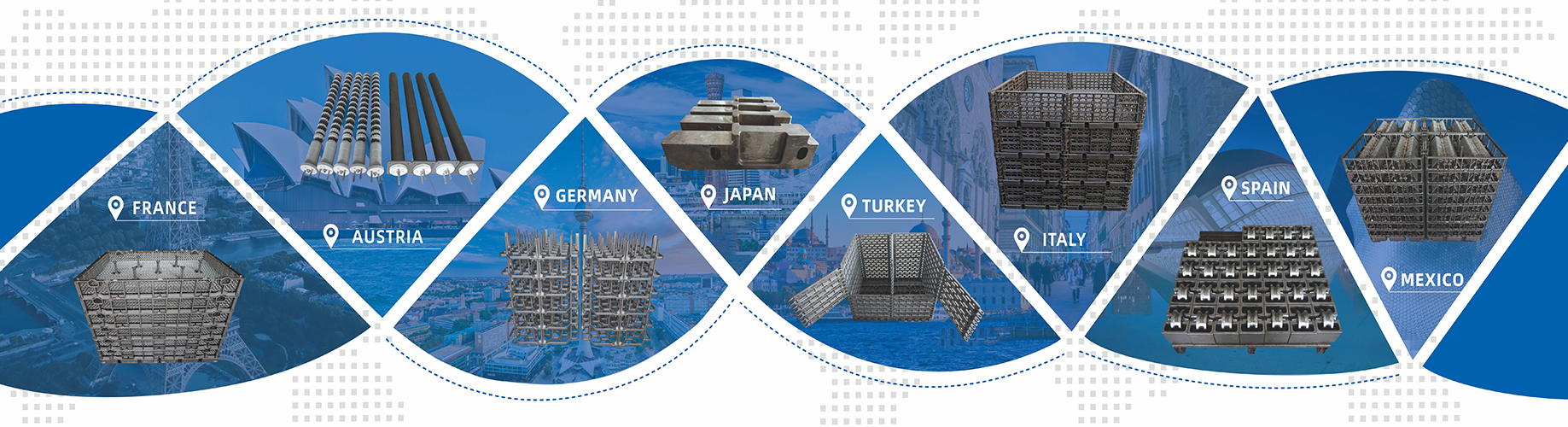


가장 까다로운 산업 환경에서 정밀도와 내구성을 강화하는 FH 열처리 설비는 다음을 포함한 광범위한 용광로에서 탁월한 성능을 발휘하도록 설계되었습니다. 챔버, 푸셔, 진공, 피트 및 벨 퍼니스 , Ipsen, Aichelin, ECM, KGO, NITRIX, AFC, IVA-SCHEMTZ, CODERE, MATTASA 등.
FH 주조 설비는 다음을 사용하여 꼼꼼하게 생산됩니다. 고급 유실납 주조 기술 , 뛰어난 표면 품질과 평탄도를 보장합니다. 당사의 독점 내열 합금은 극한의 온도, 급속한 열 순환 및 부식성 환경을 견딜 수 있도록 맞춤 제작되었습니다.
FH에서 우리의 임무는 열처리 효율성을 혁신하는 것입니다. 당사는 최첨단 야금 전문 지식과 수십 년간의 업계 경험을 결합하여 다음과 같은 기능을 갖춘 전체 충전 장치 세트를 제공합니다.
FH 열처리 설비를 선택하는 이유는 무엇입니까?
업계 최고의 표준 바구니
전 세계적으로 신뢰받는 설비를 통해 20년간의 R&D 경험을 활용해 보세요. 모든 주요 용해로 모델과의 호환성을 위해 사전 설계되어 툴링 비용을 없애고 배포를 가속화하므로 신속한 교체 또는 확장 가능한 운영에 이상적입니다.
귀하의 사양에 맞게 설계된 맞춤형 솔루션
우리 엔지니어들은 귀하와 협력하여 완전 맞춤형 고정 장치를 설계하고 다음을 최적화합니다.
지금 바로 열 처리를 업그레이드하세요
마모된 고정 장치를 교체하든 새 고정 장치를 설계하든 FH는 다음을 제공합니다. 더 빠른 리드 타임, 우수한 야금, 사이클당 비용 절감 경쟁사보다 뛰어난 성능을 발휘합니다.
엔지니어링 팀에 문의하세요 무료 상담을 통해 이상적인 열처리 솔루션을 만들어 보세요.

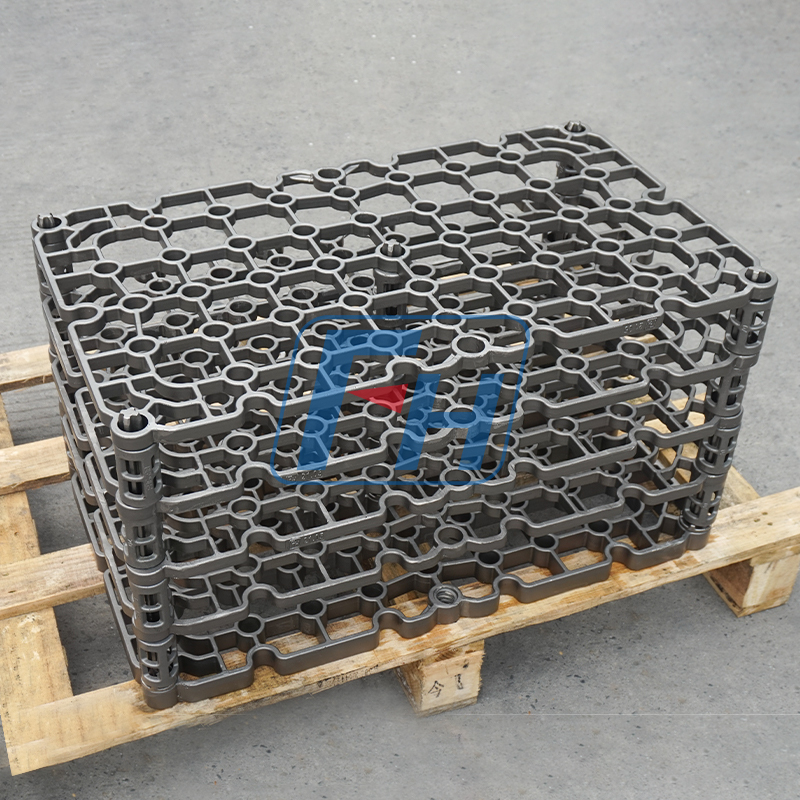
가장 까다로운 산업 환경에서 정밀도와 내구성을 강화하는 FH 열처리 설비는 다음을 포함한 광범위한 용광로에서 탁월한 성능을 발휘하도록 설계되었습니다. 챔버, 푸셔, 진...
자세히 보기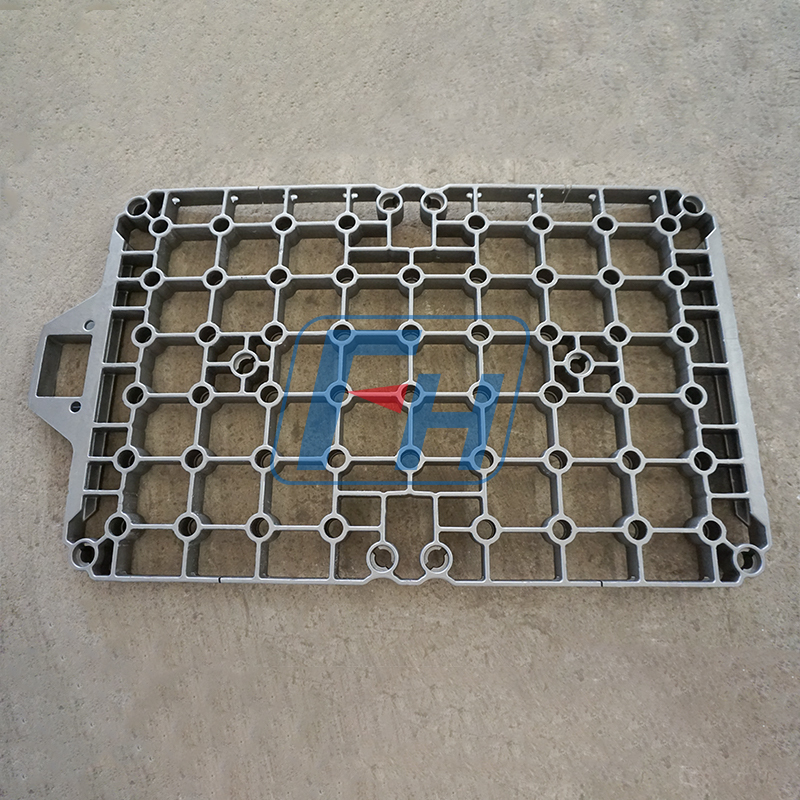
가장 까다로운 산업 환경에서 정밀도와 내구성을 강화하는 FH 열처리 트레이는 다음을 포함한 다양한 용광로에서 탁월한 성능을 발휘하도록 설계되었습니다. 챔버, 푸셔, 진...
자세히 보기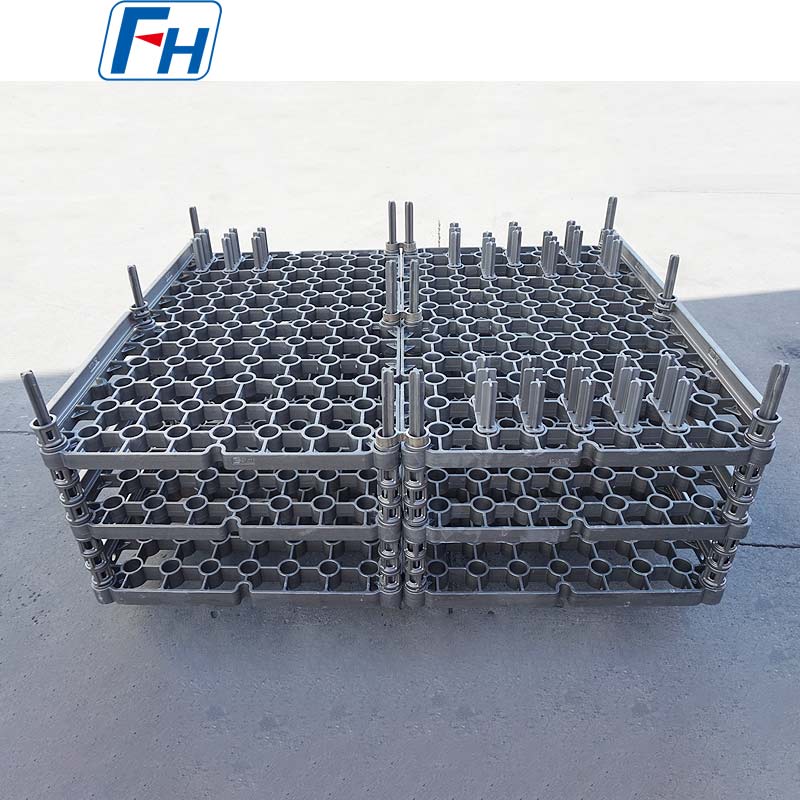
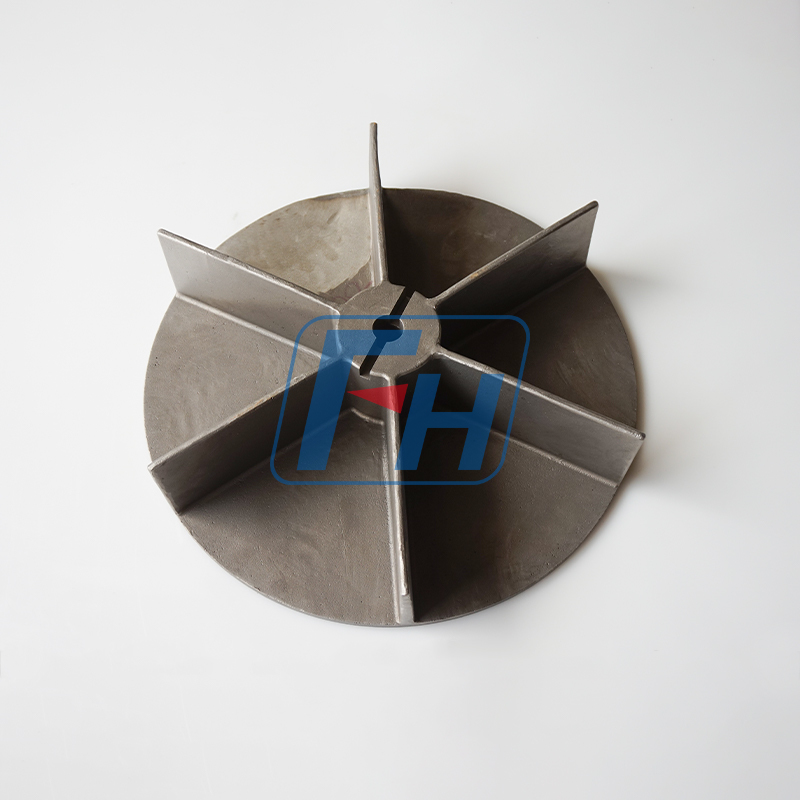
프리미엄 퍼니스 팬 블레이드로 열처리 공정을 최적화하세요 균일한 열 분배와 향상된 운영 효율성을 보장합니다. FH의 정밀 엔지니어링 퍼니스 팬 블...
자세히 보기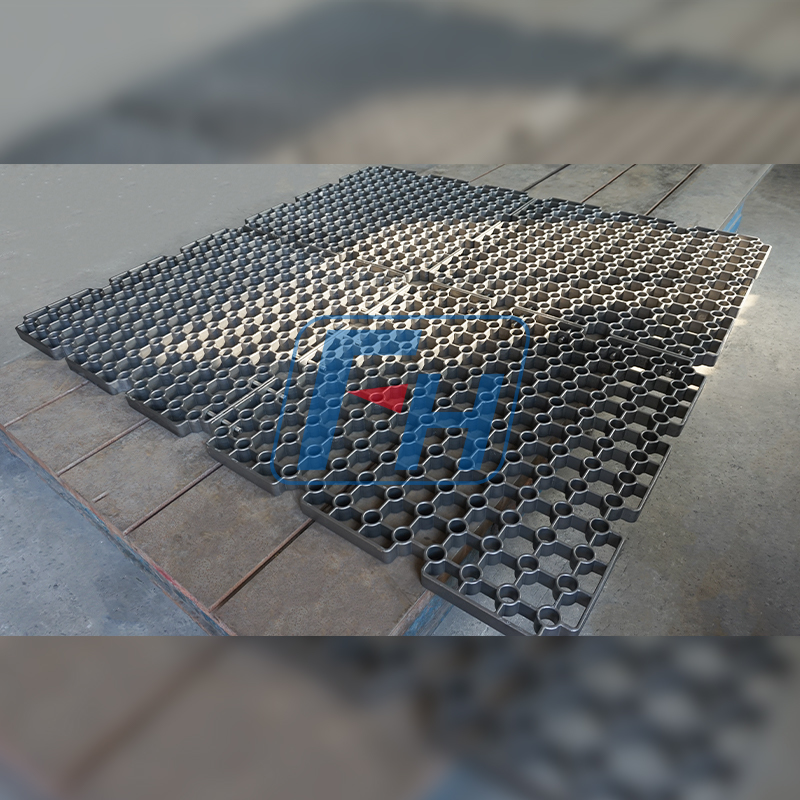
가장 까다로운 산업 환경에서 정밀도와 내구성을 강화하는 FH 열처리 트레이는 다음을 포함한 다양한 용광로에서 탁월한 성능을 발휘하도록 설계되었습니다. 챔버, 푸셔, 진...
자세히 보기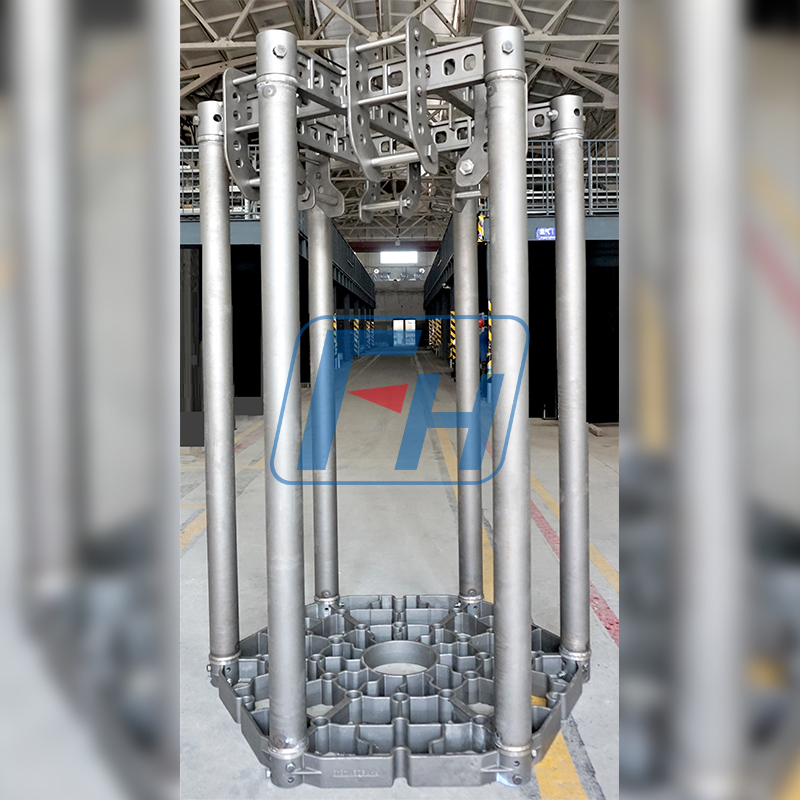
가장 까다로운 산업 환경에서 정밀도와 내구성을 강화하는 FH 열처리 설비는 다음을 포함한 광범위한 용광로에서 탁월한 성능을 발휘하도록 설계되었습니다. 챔버, 푸셔, 진...
자세히 보기
설립지
수출국
월 생산 능력
직원 수

이탈리아 고객을 위한 그리드 트레이와 철망이 포함된 맞춤형 주조 열처리 바구니 고객 사례 연구 | Wuxi Junteng Fanghu Alloy Technology Co., Ltd. (FH® 합금) 프로젝트 개요 이탈리아 고객이 FH® Alloy fo...
더 읽기연속 푸셔 퍼니스 기어 열처리를 위한 맞춤형 트레이 고정 시스템 고객 사례 연구 | 엔지니어링 설계, 도면 승인, 제조 및 배송 제품: 맞춤형 열처리 트레이 고정 시스템 로 유형: 연속 푸셔로 신청: 기어의...
더 읽기슬로베니아 고객을 위한 맞춤형 2.4879 진공로 열처리 트레이 고객 사례 연구 | 구조적 재설계, 제조 및 납품 고객 위치: 슬로베니아 제품: 맞춤형 진공로 열처리 트레이 재료: 2.4879 내열합금 ...
더 읽기고객 사례 연구 | 엔지니어링 설계, 제조, 검사 및 납품 고객 위치: 프랑스 제품: 맞춤형 열처리 바구니 재료: 1.4849 내열 스테인레스 스틸 전체 높이: 100mm ...
더 읽기What is a Heat Treatment Fixtures | FH®?
A Heat Treatment Fixtures | FH® is a supporting, positioning, and securing device designed specifically for use in high-temperature furnaces. It stabilizes the workpiece during the heat treatment process, prevents deformation, and ensures uniform heat flow.
1. Functional Positioning: Provides a reliable loading platform in a variety of furnace types, including vacuum, chamber, push-type, pit-type, and lamp-type furnaces (such as Ipsen, Aichelin, ECM, KGO, NITRIX, AFC, IVA-SCHEMTZ, CODERE, and MATTASA).
2. Structural Features: Utilizing a lost-wax casting process, it achieves a smooth and flat surface. Combined with a patented high-temperature-resistant alloy, it achieves long-term stability in extreme temperature cycling and corrosive environments.
3. Improved Efficiency: Through precise load design, it increases loading capacity, reduces rework due to workpiece movement, and significantly reduces heat treatment batch costs.
What are common Heat Treatment Fixtures | FH® materials?
High-temperature alloys – Based on the company's proprietary heat-resistant alloy formula, these materials maintain strength above 1200°C and are suitable for vacuum and high-temperature furnaces.
1. Carbon Fiber Reinforced Carbon (CFC) – Considered the industry benchmark in vacuum heat treatment, they offer excellent dimensional stability and significantly reduce workpiece distortion.
2. Refractory Ceramics and High-Temperature Steels – Commonly used in open furnaces or where flame impingement resistance is required, ensuring the fixture itself does not become a source of heat loss.
3. Specialty Coated Steels – Surface carburizing, nitriding, or plasma spraying enhances corrosion resistance and extends service life, making them suitable for oil or salt bath heat treatment environments.
What industries are Wuxi Junteng Fanghu Alloy Technology Co., Ltd.'s Heat Treatment Fixtures | FH® primarily used in?
1. Automotive Manufacturing: We provide high-load, low-deformation fixture solutions for carburizing, nitriding, and vacuum heat treatment of engine components, gearboxes, and body structures, meeting the rigidity requirements of high-volume production.
2. Aerospace: Customized high-temperature alloy fixtures are used for high-strength alloy and titanium alloy components to ensure dimensional accuracy under extreme thermal cycles, improving the reliability of critical components.
3. Energy and Heavy Industry: Modular, multi-furnace compatible fixtures are used during the heat treatment of gas turbine blades, boiler pipes, and large castings, enabling rapid changeover and cost control.
4. Mold and Tool Manufacturing: Dedicated support structures are provided for mold heat treatment to prevent cracking or warping caused by thermal stress, extending mold life and improving product quality.
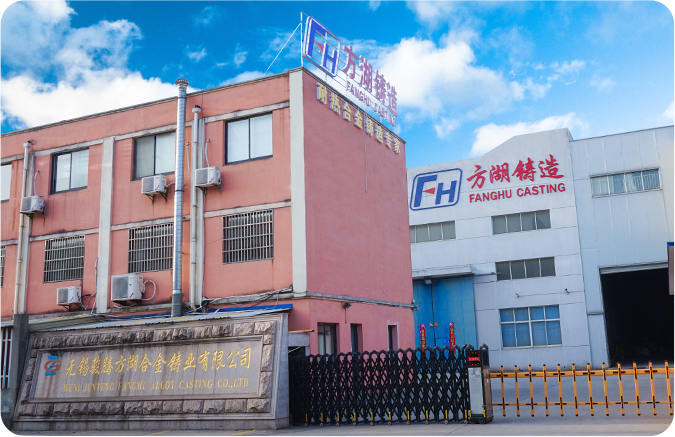
2006년부터 합금강 부품 설계 및 제조에 집중
 전화: 0510-83310100
  이메일: info@alloy-casting.com
  주소: Room 1105,Building 6, Jiaye Wealth Center,Wuxi, Jiangsu, P.R.China P.C.:214000.
  개인정보 보호